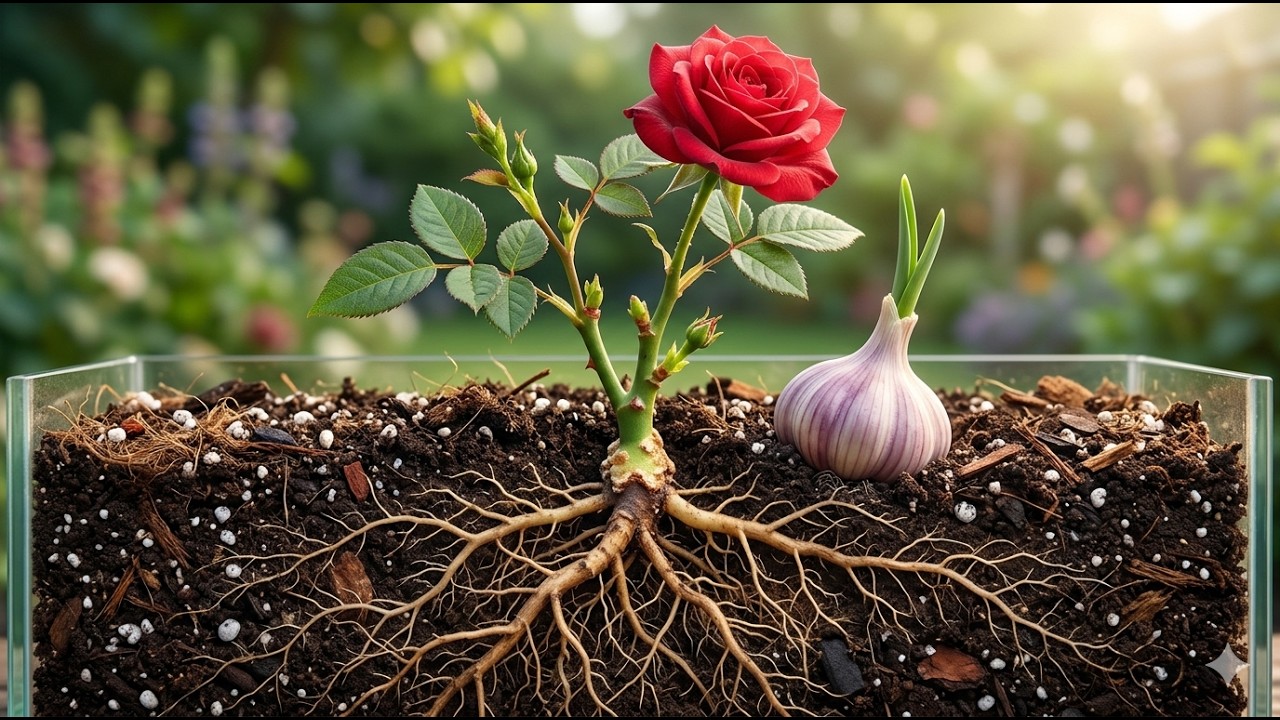
Transform Rose Cuttings With Just 1 Garlic Trick for Rapid Rooting!
Transform Your Rose Cuttings with a Simple Garlic Trick for Rapid Rooting
- Introduction
- Benefits of Garlic for Rooting
- Step-by-Step Process for Rooting
- Common Mistakes to Avoid
- Frequently Asked Questions
- Conclusion
Introduction
Have you ever tried propagating rose cuttings, only to feel frustrated by their slow growth? Many gardeners face challenges with rooting cuttings efficiently, often leading to disappointment. Understanding the right techniques can make all the difference in your gardening journey. One surprising but effective method involves using garlic to enhance the rooting process. Read on to discover how this natural remedy can transform your rose cuttings into thriving plants.
Benefits of Garlic for Rooting
Garlic is not only a staple in your kitchen; it also holds significant benefits for gardeners looking to propagate their plants.
1. Natural Antimicrobial Properties
One of the primary reasons for using garlic in the rooting process is its natural antimicrobial properties. It helps protect cuttings from fungal issues that can impede root development.
2. Enhanced Growth Hormones
Garlic is believed to aid in the release of growth hormones, which can stimulate faster rooting in your rose cuttings.
3. Easy Availability
Most gardens or kitchens have garlic on hand, making it a convenient choice for enhancing your propagation efforts.
Step-by-Step Process for Rooting
Here’s how to incorporate garlic into the propagation of your rose cuttings effectively.
- Gather your materials: You will need firm rose cuttings, a garlic bulb, rooting hormone (optional), and potting soil.
- Prepare the cuttings: Choose healthy rose stems about 6 inches long, making sure to cut just below a node.
- Crush the garlic: Take one or two cloves of garlic, and crush them lightly to release the juices.
- Mix with soil: Combine the crushed garlic with potting soil in a suitable container or seedling tray.
- Insert the cuttings: Plant each cutting into the soil mixture at least an inch deep, ensuring the cut end is well-embedded.
- Water thoroughly: After planting, give the soil a good watering to settle it around the cuttings.
- Provide proper care: Place your container in a warm, shaded area and maintain moisture without overwatering.
Common Mistakes to Avoid
While rooting rose cuttings with garlic can be highly effective, there are some common pitfalls to watch out for.
- Improper cuttings: Using unhealthy or too thin cuttings can lead to failure in rooting.
- Too much garlic: Overloading the mixture with garlic might hinder growth instead of helping.
- Neglecting moisture: Not maintaining adequate moisture can dry out cuttings, diminishing success rates.
- Insufficient sunlight: While providing shade is crucial, cuttings still require indirect light for optimal growth.
- Ignoring timing: Planting cuttings in the wrong season may affect their ability to root efficiently.
Frequently Asked Questions
How long does it take for rose cuttings to root?
Typically, rose cuttings may take anywhere from 2 to 8 weeks to develop roots, depending on environmental conditions.
Can I use other ingredients with garlic?
Yes, you can add a small amount of rooting hormone to the garlic mixture, which may further enhance rooting success.
What type of roses work best for cuttings?
Most hybrid tea roses and bush roses propagate well from cuttings, but it’s always best to use healthy, vigorous plants.
Conclusion
Using garlic in your rose propagation process can significantly improve your success with rooting cuttings. By following the steps outlined, you can enjoy watching your roses thrive. Have you tried propagating roses with unusual methods? Share your experiences in the comments below!