25 Delicious Wild Plants to Forage This Spring
25 Delicious Wild Plants to Forage This Spring
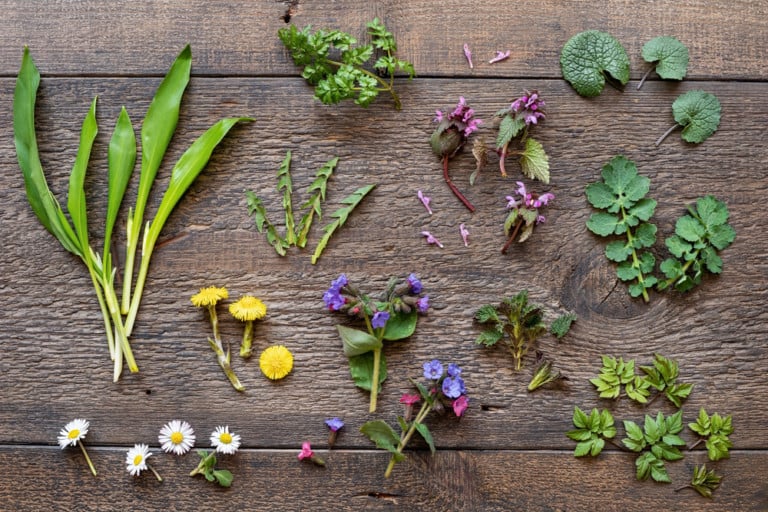
As spring arrives and winter begins to recede, many of us find ourselves busily planting crops to sustain us throughout the year. However, during this transitional period, often referred to as the ‘hungry gap,’ foraging for edible wild plants can fill in the gaps. These wild greens are not only nutritious but also abundant in many areas, including your own property. In this article, we will explore 25 common edible wild plants you can forage this spring.
Tips for Foraging
Before diving into the plants, here are some essential foraging tips to ensure safety and sustainability:
- Never consume anything unless you are 100% certain of its identification.
- Avoid plants that may be contaminated or close to pollution sources.
- Check local foraging rules, as they can vary by region.
- Always seek permission from landowners before foraging on private land.
- Take only what you need and leave root systems intact for regrowth.
- Respect the ecosystems you explore; avoid damaging plants and leave no litter behind.
Edible Wild Plants to Forage
1. Stinging Nettles (Urtica dioica)
While they may not be popular with everyone, stinging nettles are one of the best foraged foods. Their young leaves are tender and packed with nutrients. Harvest the top five leaves from each stem, rinse them, and boil to remove their sting. Use them in soups, teas, or as a spinach substitute.
2. Dandelions (Taraxacum)
Dandelions are widespread and easily recognizable. The young leaves can spice up salads, and the roots make an excellent coffee alternative when prepared correctly. Harvest the roots before the flowers appear for the best flavor.
3. Wild Garlic/Ramps (Allium ursinum/Allium tricoccum)
This plant is known for its distinct garlic smell and is typically found in woodlands. Ramps can be identified by their onion-like aroma, with leaves resembling leeks. Use the leaves and small bulbs in a variety of savory dishes.
4. Garlic Mustard (Alliaria petiolata)
An invasive species in the US, garlic mustard is easy to identify and tastes delightful in salads and pesto. Harvest young leaves and stems in spring to help control its spread.
5. Ground Elder (Aegopodium podagraria)
Ground elder, often considered a troublesome weed, tastes best when young. Pick leaf shoots before they unfurl and stir-fry for a parsley-like flavor.
6. Chickweed (Stellaria media)
This mild-flavored weed thrives in early spring. It can be used in salads and has a refreshing texture similar to iceberg lettuce.
7. Fat Hen/Lamb’s Quarters (Chenopodium album)
Known for its mild taste, lamb’s quarters are similar to spinach and can be enjoyed raw or cooked. Additionally, they have traditional uses as a soap substitute.
8. Plantain (Plantago major/Plantago lanceolata)
This common garden weed is versatile. Young leaves are excellent in salads, and older leaves can be boiled or steamed as a vegetable.
9. Purple Dead Nettle (Lamium purpureum)
This plant poses no danger to foragers and can be used both raw and cooked. Its purple tops have a slight sweetness, making them a delightful salad addition.
10. Henbit (Lamium amplexicaule)
Henbit’s mild flavor works well in salads and as a cooked green. Its heart-shaped leaves distinguish it from purple dead nettle.
11. Burdock (Arctium sp.)
Burdock roots, leaves, and stalks are all edible. The young parts are less bitter and can be used in stir-fries or pickled.
12. Fiddlehead Ferns (Various species)
Several fern species have edible curled fronds in spring, but caution is needed as some can be toxic. Research which ferns are safe before foraging.
13. Cleavers (Galium aparine)
Also known as stickyweed, young cleaver shoots can be enjoyed raw or cooked but should be consumed with caution due to potential contact dermatitis for some individuals.
14. Miner’s Lettuce (Claytonia perfoliata)
This wild green can be utilized in salads or cooked. It’s most commonly found in western regions across the U.S.
15. Japanese Knotweed (Fallopia japonica)
Though considered invasive, young shoots of this plant can mimic rhubarb and are edible when properly identified and harvested responsibly.
16. Sorrel (Rumex acetosa)
Sorrel leaves have a tart flavor and can be used in salads or cooked dishes. Ensure you harvest younger leaves for the best taste.
17. Curly Dock/Yellow Dock (Rumex crispus)
These dock varieties are best in spring for their tender greens, which can be used similarly to other leafy vegetables.
18. Yarrow (Achillea millefolium)
Yarrow is known for its medicinal properties, and young leaves can be added to salads. However, be cautious of potential lookalikes.
19. Wild Asparagus (Asparagus officinalis)
A cultivated variety that escapes from gardens, wild asparagus is a sought-after treat found in some areas.
20. Day Lily Shoots (Hemerocallis)
While the flowers are popular, young day lily shoots under 8 inches can be harvested and enjoyed in various dishes.
21. Hosta Shoots (Hosta spp.)
Commonly found in gardens, young hosta shoots can be stir-fried and are highly versatile.
22. Milkweed Shoots (Asclepias syriaca)
These tender shoots, which need to be distinguished from dogbane, can be eaten in moderation and are delicious in various dishes.
23. Cattail Shoots (Typha)
This ubiquitous plant can be foraged for young shoots in the spring. Always ensure it’s sourced away from pollution.
24. Thimbleberry Shoots (Rubus parviflorus)
Thimbleberry plants not only produce berries later in the year but also young shoots that can be harvested in early spring.
25. Violets (Viola spp.)
Violet flowers can brighten up early spring salads. Both wild and cultivated varieties are edible.
Conclusion
Spring is a perfect time to explore the world of foraging. With so many wild edible plants available, you can enrich your diet and connect with nature right in your backyard. Remember to forage responsibly and enjoy the incredible flavors these plants offer!