Discover 5 Simple Steps to Root Rose Cuttings with Just Cinnamon Naturally!
Rooting Rose Cuttings Naturally with Cinnamon: A Simple Guide
- Introduction
- Benefits of Using Cinnamon
- Required Materials
- Step-by-Step Guide to Root Rose Cuttings
- Common Mistakes to Avoid
- FAQ
- Conclusion
Introduction
Many gardeners find delight in propagating their favorite roses, but the process can often feel daunting. You might have tried rooting cuttings of beautiful blooms, only to be met with disappointment when they fail to thrive or develop roots. It’s frustrating to nurture what could be a stunning addition to your garden, especially when there seem to be so many variables at play. Fortunately, there are simple methods to improve your success rate, ensuring your rose cuttings flourish. Keep reading to discover how you can effectively root rose cuttings using a common kitchen ingredient.
Benefits of Using Cinnamon
Utilizing cinnamon in your gardening practices offers several advantages.
1. Natural Antifungal Properties
Cinnamon is well known for its natural antifungal properties, which helps protect your cuttings from diseases that may attack the roots while they are developing.
2. Stimulates Root Growth
This spice also contains compounds that can help stimulate root growth, making it an excellent choice for encouraging healthy development in your rose cuttings.
3. Easily Accessible
Another benefit is that cinnamon is easily accessible in most households, making it a cost-effective solution for every gardening enthusiast.
Required Materials
Before starting, gather the following materials to ensure you have everything you need.
- Healthy rose stems (approximately 6 inches long)
- Cinnamon powder
- Potting soil or a planting medium
- Small pots or a seed tray
- Plastic wrap or a plastic bag
- Water
Step-by-Step Guide to Root Rose Cuttings
Now that you have your materials ready, follow these steps to successfully root your rose cuttings:
- Choose a healthy stem: Select a rose stem that is healthy and free of any disease or damage. Look for stems with strong, firm wood.
- Cut the stem: Using sharp, clean scissors, take a cutting that is about 6 inches long. Make the cut at a 45-degree angle, just below a node.
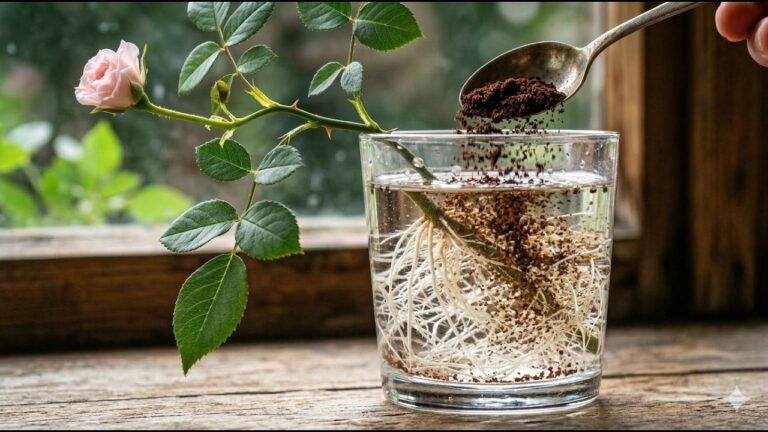
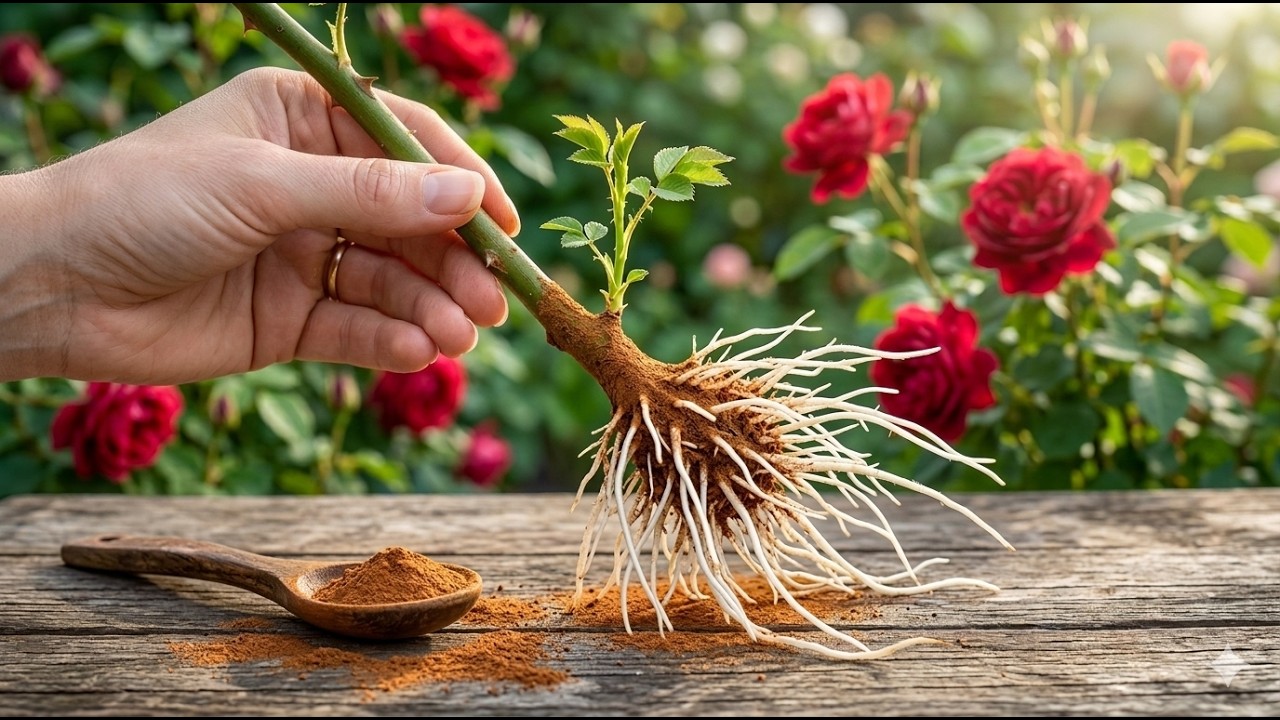
- Dip in cinnamon: Coat the cut end of the stem in cinnamon powder. This will help prevent rot and promote root growth.
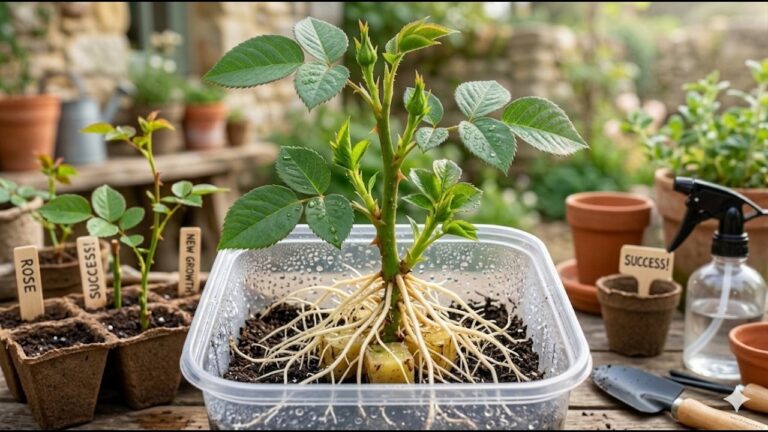
- Plant the cutting: Insert the cinnamon-coated end into the prepared potting soil or planting medium, ensuring it is buried deep enough for stability.
- Cover and maintain: Cover the pot with plastic wrap or a plastic bag to create a humid environment. Place in a location that receives indirect sunlight. Water the soil lightly to keep it moist but not soggy.
Common Mistakes to Avoid
To ensure success in rooting your rose cuttings, be mindful of these common mistakes:
- Not using healthy cuttings: Always ensure your cuttings are free from disease.
- Overwatering: Too much water can lead to rot. Keep the soil moist, not soggy.
- Lack of humidity: Failing to cover cuttings can result in dehydration, stunting growth.
- Direct sunlight exposure: Positioning cuttings in direct sun can scorch them; opt for indirect light instead.
- Neglecting patience: It can take several weeks for roots to develop, so resist the urge to check too often.
FAQ
How long does it take for rose cuttings to root?
Generally, it takes about 4 to 6 weeks for rose cuttings to develop roots, depending on the variety and environmental conditions.
Can I use other spices for rooting?
While cinnamon is effective, other natural rooting agents like honey also promote healthy root growth, but results may vary.
What type of potting soil works best?
A well-draining potting mix is ideal for rose cuttings. Look for a blend that consists of peat moss and perlite to ensure proper drainage.
Conclusion
Using cinnamon to root rose cuttings is a simple and effective method that enhances your chances of success. By following these guidelines, you can enjoy the beauty of your own propagated roses in the garden. Have you tried propagating roses before? Share your experiences in the comments!