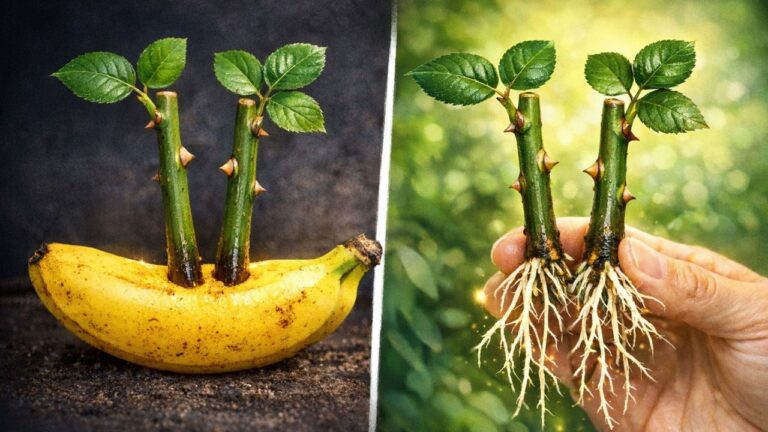
Root Rose Cuttings 3x Faster with This Simple Onion Trick! Discover How!
Root Rose Cuttings Faster with a Simple Onion Trick
- Introduction
- Benefits of Using the Onion Trick
- Step-by-Step Guide to Rooting Cuttings
- Common Mistakes to Avoid
- FAQ
Introduction
Have you ever tried to propagate rose cuttings but faced disappointment when they didn’t root? This common gardening challenge can leave you feeling frustrated, especially when you envision lush blooms in your garden. You might have heard of various methods to encourage rooting, but one simple trick involving onions might just change everything for you. Keep reading to discover how this efficient technique can transform your gardening experience.
Benefits of Using the Onion Trick
Using onions for rooting rose cuttings offers several advantages that can enhance your propagation success.
Enhanced Nutrient Release
Onions are rich in nutrients that can stimulate the growth of roots in your cuttings. These nutrients promote faster development and stronger plants.
Natural Antimicrobial Properties
The sulfur compounds in onions act as natural antifungal agents, reducing the chances of rot in your cuttings, which is crucial for successful propagation.
Simplicity and Accessibility
This trick is easy to implement and requires minimal resources. You likely have onions in your kitchen, making this method both cost-effective and straightforward.
Step-by-Step Guide to Rooting Cuttings
Below is a practical guide on how to use the onion trick for your rose cuttings.
- Gather your materials: You will need fresh rose cuttings (around 6-8 inches long), an onion, and a planting medium (such as potting soil).
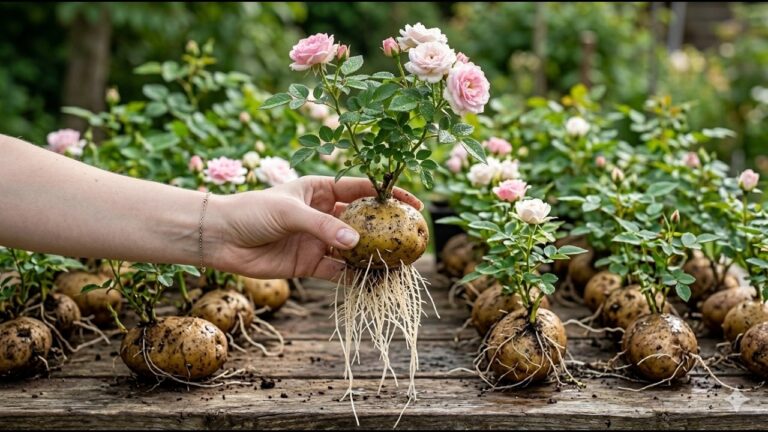
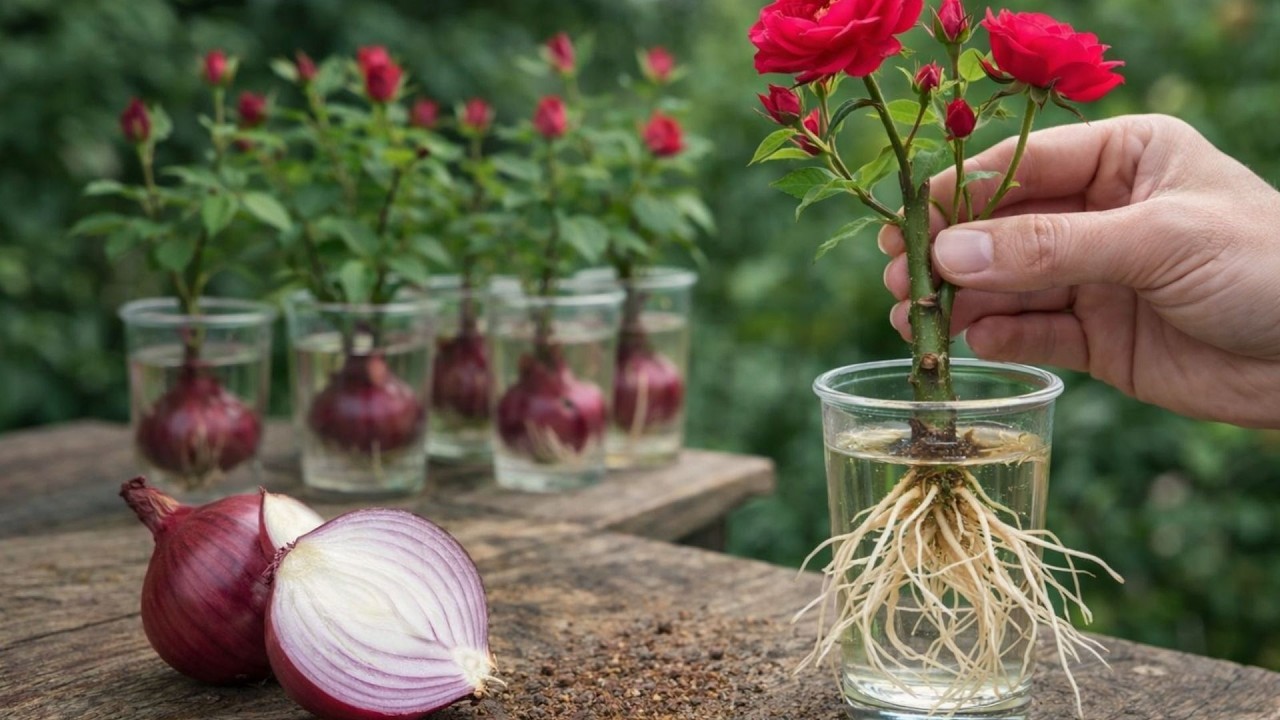
- Prepare the onion: Slice the onion in half and scoop out the center to create a small hole. This is where your cuttings will be placed, allowing them to absorb nutrients.
- Cut your rose stems: Select healthy stems and cut them just below a node. Remove the lower leaves to minimize moisture loss.
- Insert the cuttings: Place your rose cuttings in the hole of the onion, ensuring that the bottom node is inside the onion.
- Prepare for planting: Position the onion in a pot filled with your planting medium, burying it slightly to stabilize the structure.
- Water appropriately: Give the setup a gentle watering to ensure the soil is moist, but not soggy. Consistent moisture is vital for rooting.
- Place in a suitable environment: Position your pot in a warm, indirect sunlight area to encourage rooting.
- Monitor growth: Check your cuttings regularly. In about 3-4 weeks, you should start seeing root development.
Common Mistakes to Avoid
Propagation can be tricky, and certain mistakes can hinder your success. Here are some common pitfalls to avoid.
- Using old or unhealthy cuttings: Always select fresh, healthy stems for the best chance of success.
- Overwatering: Too much moisture can lead to rot. Ensure your soil has good drainage and is kept just moist.
- Ignoring light conditions: Make sure your cuttings receive indirect sunlight; too much direct light can shock the plants.
- Rushing the process: Patience is key. Allow enough time for the roots to develop fully before attempting to transfer them to a larger pot or outdoor garden.
FAQ
What type of rose cuttings work best for propagation? Semi-hardwood cuttings from healthy, established plants are ideal for successful propagation.
How long does it take for rose cuttings to root? Typically, it can take 3-4 weeks for roots to develop, depending on the conditions.
Can I use other vegetables or fruits for rooting cuttings? While onions are highly effective, other rooting aids may not provide the same benefits. Onions are particularly rich in the necessary nutrients.
Conclusion
Using the onion trick can significantly enhance your success in propagating rose cuttings, offering natural support for healthy root development. Have you tried propagating plants before? Share your experiences in the comments!