The Secret Plumbing Trick That Makes Life So Much Easier
The Secret Plumbing Trick That Makes Life So Much Easier
Are you looking to prevent unpleasant plumbing issues? Discover the hidden trick that plumbers have kept secret, saving you both time and money in just five minutes. Here’s how!
Do You Have a Clogged Sink?
We all know how frustrating it is when water won’t drain properly in our sinks. But today, we’re revealing a trick that plumbers have always kept under wraps, making your life a whole lot easier!
The Hidden Trick: Coarse Salt for Clogs
The coarse salt method for unclogging drains is a well-guarded secret among plumbers. Clogged pipes are common, and many repairs rely on harsh chemicals to solve the issue. However, this environmentally friendly and cost-effective method can be just as effective.
- Start by removing any standing water from the sink using a bowl.
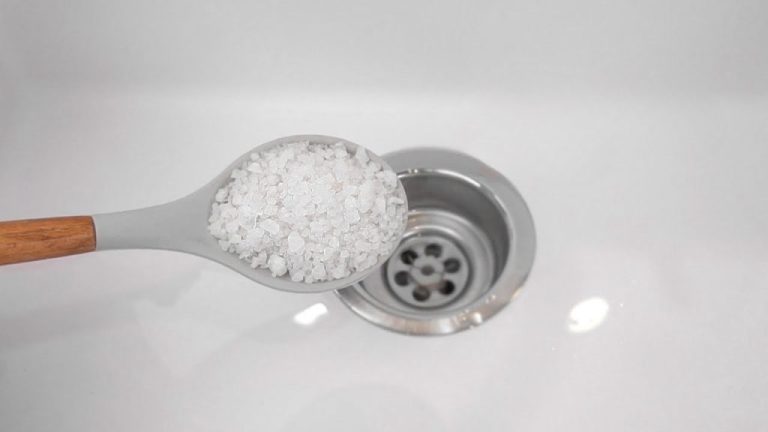
- Pour a tablespoon of coarse salt into the clogged drain.
- Next, boil some water in a kettle and let it cool slightly before pouring it over the coarse salt in the drain.
- After a few seconds, you’ll notice the water level dropping quickly, clearing the blockage completely.
This natural method will permanently eliminate clogs in your plumbing system without harming your health or the environment!
Alternative Solutions: Fine Salt or Baking Soda
If you don’t have coarse salt on hand, don’t worry! You can use fine table salt or baking soda as effective alternatives.
Using Fine Salt
For fine salt, pour about one tablespoon into the drain and gradually add boiling water. Let it sit for a few seconds before rinsing with cold water to flush away any residue and enjoy an unobstructed drain.
Baking Soda Method
Baking soda is another excellent substitute for coarse salt. Mix half a cup of baking soda with a quarter cup of warm water to form a thick paste. Carefully pour it into the clogged pipe and let it sit for 15-20 minutes before rinsing with lukewarm water.
You can enhance the effectiveness of these alternatives by adding a few drops of your favorite essential oil to the mixture. Essential oils are known for their natural antibacterial properties and can help eliminate unpleasant odors in your pipes.
Prevention: Tips to Avoid Clogs in Your Sinks
Sink drains can easily become clogged due to food debris, grease, or hard-to-flush substances. Here are some helpful tips to prevent clogs:
- Never dispose of food scraps or soda down the sink.
- Clean your sink regularly using a specific detergent to remove buildup and prevent odors.
- Consider using a sink strainer to catch solid debris before it reaches the pipes. These filters are readily available at hardware stores and are easy to install.
- Limit the flow of water while using bathroom or kitchen fixtures to prevent sudden blockages.
- If you notice early signs of obstruction, like slow drainage, contact a professional immediately to assess the situation.
Coarse Salt: A True Household Resource
Coarse salt can be used in numerous ways to clean and address household problems. Here are a few alternative uses:
- Carpet Cleaning: Sprinkle coarse salt on carpets and let it sit for a few hours. Vacuum it up to remove dust and dirt.
- Stain Remover for Mugs and Pots: Use coarse salt to scrub stains caused by coffee or tea. Simply rub it on the stain with a damp sponge and rinse.
- Natural Ant Repellent: If you’re dealing with ants, scatter coarse salt along their entry lines as a deterrent.
- Odor Eliminator for Refrigerators: Place coarse salt in an open container in your fridge to absorb unpleasant smells.
- Stainless Steel Cleaner: Use coarse salt to wipe away fingerprints and stains on stainless steel surfaces.
Conclusion
Utilizing coarse salt to clear clogs is a simple yet practical hack that plumbers have kept secret for years. With these tips, you can promptly and effectively tackle sink or drain obstructions.
Always remember to use biodegradable products and avoid disposing of toxic substances down the drain to protect both the environment and your plumbing. By implementing these small measures, we can simplify our daily lives and maintain the efficiency of our home water systems.