5 Proven Techniques to Grow Coconut Trees Faster and Healthier
Proven Techniques to Grow Coconut Trees Faster and Healthier
- Introduction
- Ideal Growing Conditions for Coconut Trees
- Effective Planting Techniques
- Nourishing Your Coconut Tree
- Common Mistakes to Avoid
- FAQ
- Conclusion
Introduction
Have you ever dreamed of a lush coconut palm swaying in your backyard, providing shade and delicious fruit? For many, growing a coconut tree is a goal that represents tropical living. However, the journey to a healthy and flourishing coconut tree can be challenging. Factors such as soil quality, water, and sunlight all play crucial roles in promoting your tree’s healthy growth. Familiarizing yourself with the right techniques can help you nurture your plants effectively. Continue reading to uncover the essential techniques to grow coconut trees faster and healthier.
Ideal Growing Conditions for Coconut Trees
To start, understanding the ideal environment for your coconut tree is crucial. These trees thrive under specific conditions that mimic their natural habitat.
1. Climate Requirements
Coconut trees flourish in warm, tropical climates. Ideally, temperatures should range between 70°F to 95°F. They do not tolerate frost and require a stable climate to grow successfully.
2. Soil Quality
Well-draining sandy or loamy soil is vital for coconut trees. The pH level should be between 5.0 to 8.0. Before planting, ensure the soil has good aeration and drainage to prevent root rot.
3. Sunlight Needs
Your coconut tree needs abundant sunlight daily. Aim for at least 6-8 hours of direct sunlight to encourage robust growth and healthy coconuts.
Effective Planting Techniques
Once you’ve prepared the ideal growing environment, focus on the effective planting techniques for your coconut tree.
1. Choosing the Right Coconut
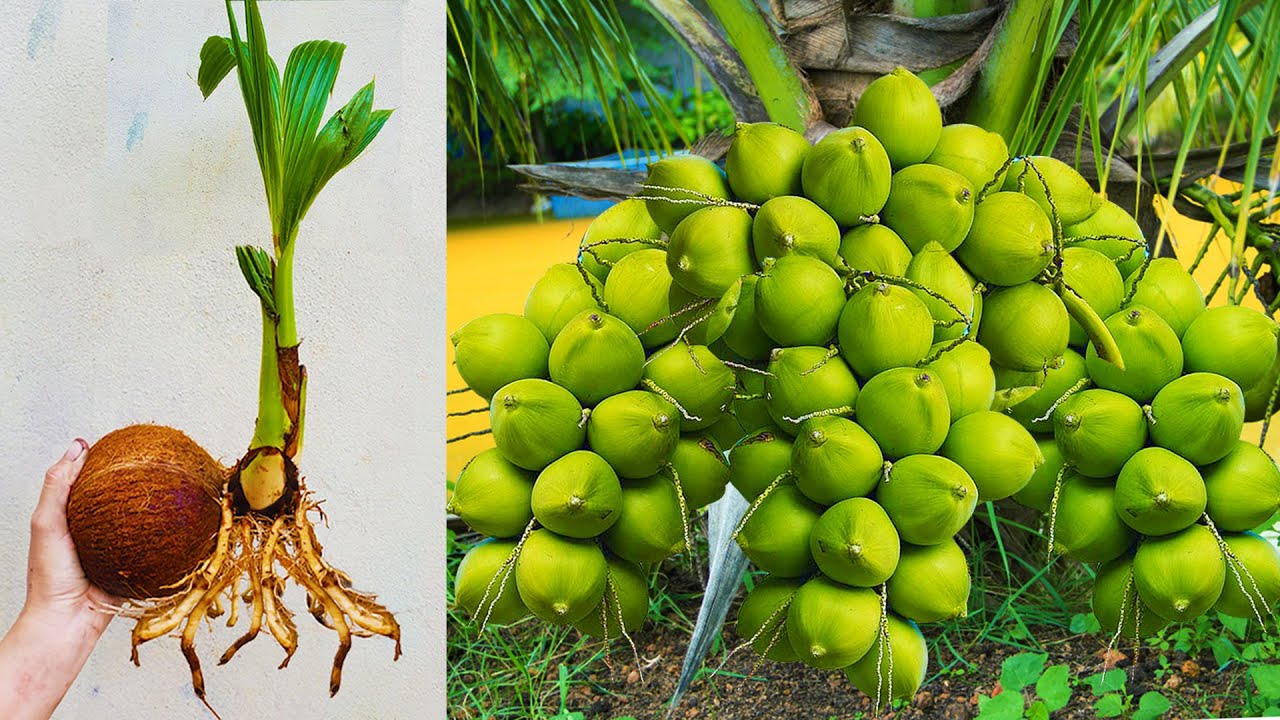
Select a mature coconut that is fresh and firm. You can test it by shaking it; a sound swishing indicates water inside, which is good for germination.
2. Germination Methods
Coconuts can be germinated using two common methods:
- Water Method: Submerge the coconut in water for 2-3 months in a warm, shaded area.
- Soil Method: Bury the coconut halfway in moist soil and keep the area regularly watered.
3. Planting the Coconut
Once germinated, plant the coconut in a hole twice its size, ensuring the sprouted side faces upwards. Space multiple trees at least 30 feet apart to allow for proper growth.
Nourishing Your Coconut Tree
To achieve faster and healthier growth, regular nourishment is essential. Here’s what you need to know about feeding your coconut tree.
1. Watering Practices
Keep the soil consistently moist, especially during dry spells. Water deeply once a week, allowing the topsoil to dry slightly in between waterings to prevent over-saturation.
2. Fertilization Techniques
Utilize a balanced fertilizer rich in nitrogen, phosphorus, and potassium. Apply it every 2-3 months, ensuring even distribution around the base of the tree.
3. Pest Management
Keep an eye out for pests such as scale insects and spider mites. Natural remedies like neem oil can help control these pests without chemical risks.
Common Mistakes to Avoid
As you embark on your coconut-growing journey, avoid these common pitfalls that can hinder the growth of your trees.
1. Overwatering
Too much water can lead to root rot. Allow the top layer of soil to dry out before watering again.
2. Neglecting Sunlight
Insufficient sunlight can stunt growth. Ensure your tree receives the recommended hours of direct sunlight daily.
3. Improper Soil Quality
Heavy clay or poorly draining soil can negatively impact your tree’s growth. Test the soil before planting and amend it if needed.
FAQ
How long does it take for a coconut tree to bear fruit? Typically, coconut trees start to produce fruit around 6-10 years after planting.
Can I grow a coconut tree indoors? While possible, indoor environments often lack the sunlight and space needed for healthy growth.
What is the best time to plant coconut trees? The best time to plant is during the warm wet season, which varies by region.
Conclusion
Growing coconut trees requires careful attention to their specific needs, including climate, soil, and nourishment. By avoiding common mistakes and implementing effective techniques, you can enjoy the beauty and benefits of your thriving coconut palm. What challenges have you faced while growing your plants, and how have you adapted?