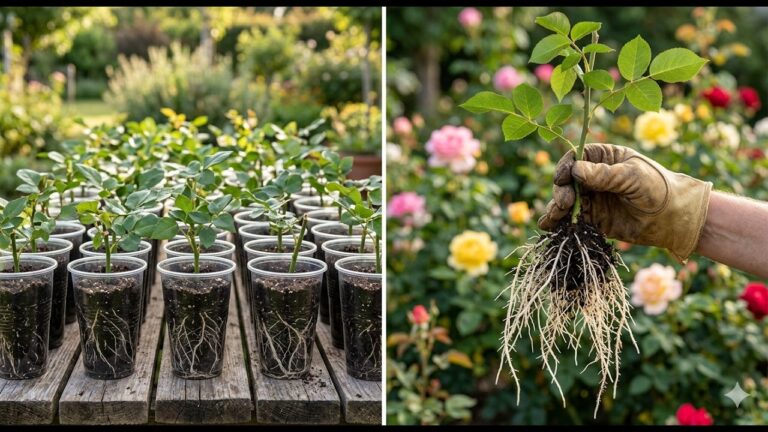
Unlock 5 Secrets to Thriving Roses with Deep Roots and Stunning Blooms!
Unlock 5 Secrets to Thriving Roses with Deep Roots and Stunning Blooms
- Introduction
- Understanding Soil Needs
- Choosing the Right Roses
- Practical Care Tips
- Common Mistakes to Avoid
- FAQ
- Conclusion
Introduction
Have you ever planted beautiful roses only to watch them struggle to grow? Many gardeners face the challenge of ensuring their roses thrive amidst various environmental demands. The disappointment can be disheartening, especially when you long for vibrant blooms in your garden. But with the right approach, you can create a flourishing rose garden filled with deep-rooted plants. Continue reading to uncover essential secrets that will transform your roses.
Understanding Soil Needs
To cultivate strong roses, understanding soil conditions is essential. Healthy soil provides the necessary nutrients, drainage, and aeration for deep root development.
1. Assessing Soil Quality
- Test the pH level of your soil. Roses thrive best in slightly acidic to neutral conditions, ideally between 6.0 and 7.0.
- Examine the soil drainage by checking how quickly water absorbs. Ideally, it should not pool on the surface.
- Evaluate the nutrient content by considering a soil test kit for detailed results.
2. Enhancing Soil Composition
- Incorporate organic matter, such as compost, to improve soil structure.
- Add mulch to retain moisture and maintain a consistent temperature.
- Consider using well-rotted manure for an extra nutrient boost.
Choosing the Right Roses
Selecting the right rose varieties is crucial for success. Different types have unique requirements and resistances to disease.
1. Researching Rose Varieties
Start by exploring local growing conditions and choosing varieties that thrive in your climate. Some popular choices include:
- Hybrid teas for large blooms and fragrance.
- Floribundas for abundant clusters of flowers.
- Climbing roses for vertical garden spaces.
2. Local Adaptations
Consider native or disease-resistant roses that require less maintenance and are well-suited to your environment. Consult local nursery experts to find the best matches for your garden.
Practical Care Tips
Once you’ve set up your garden, consistent care is essential to maintain your roses’ health and beauty.
1. Watering Techniques
- Water your roses deeply, ensuring moisture reaches the roots. Aim for 1-2 inches per week, adjusting for rainfall.
- Avoid getting water on the foliage to prevent fungal diseases.
- Use drip irrigation or soaker hoses to provide consistent moisture.
2. Pruning for Encouragement
Regular pruning helps promote airflow and new growth. Follow these simple steps:
- Remove dead or diseased wood to enhance plant health.
- Cut back stems to a healthy bud to encourage new growth.
- Prune in early spring for optimal results.
Common Mistakes to Avoid
Even seasoned gardeners can make mistakes when caring for roses. Here are a few pitfalls to be wary of:
- Overwatering can cause root rot and stress the plant.
- Ignoring spacing may result in poor air circulation, increasing disease risk.
- Neglecting to deadhead spent blooms prevents new growth.
- Using too many chemicals can harm beneficial insects.
- Forgetting to mulch can lead to temperature fluctuations and moisture loss.
FAQ
What is the best time to plant roses? The ideal time to plant roses is in early spring or fall when temperatures are milder and conditions are more favorable for root establishment.
How often should I fertilize my roses? Fertilize roses every 4-6 weeks during the growing season. Be sure to use a balanced fertilizer formulated for roses.
Can I grow roses in pots? Yes, many rose varieties thrive in containers as long as they have enough space, nutrients, and proper watering.
Conclusion
By understanding soil needs, choosing the right varieties, and providing consistent care, you can enjoy roses that are both deep-rooted and beautiful. What challenges have you faced in growing roses? Share your experiences in the comments!