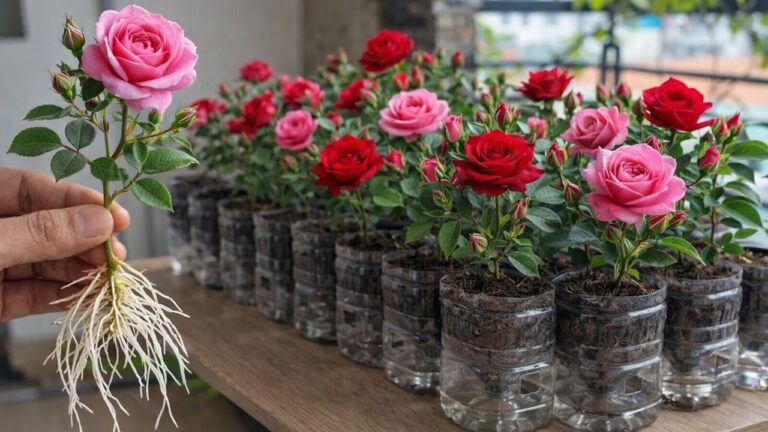

Grow 10x More Rose Cuttings Overnight with Just One Cup of This Water! 🌹
Grow Ten Times More Rose Cuttings Overnight with Just One Cup of Water
- Introduction
- Benefits of Rose Cuttings
- Preparation of Water for Cuttings
- Technique for Higher Success Rates
- Common Mistakes to Avoid
- FAQ
Introduction
Have you ever clipped rose cuttings only to see them wilt or fail to root? It’s a frustrating experience many gardeners face, especially if you’re trying to expand your beautiful rose collection. You might wonder if there’s a reliable way to improve your success rate without using complicated methods. By using a simple technique with water, you can significantly enhance your chances of rooting those cuttings. Read on to discover how this straightforward approach can transform your gardening experience.
Benefits of Rose Cuttings
Growing roses from cuttings is an excellent way to expand your garden without spending a fortune on new plants. Here are some key benefits of rose cuttings:
1. Cost-Effective
By propagating rose cuttings, you save money compared to purchasing new plants each season. It’s a sustainable way to share your favorite varieties with friends and family.
2. Preserving Varieties
If you have a particular rose variety you love, taking cuttings ensures you preserve that specific plant’s characteristics, unlike buying new ones that may differ.
3. Learning Opportunity
Taking cuttings is an engaging way to learn about plant propagation. It enhances your gardening skills and deepens your understanding of plant care.
Preparation of Water for Cuttings
Achieving success with rose cuttings largely depends on the preparation of the water used for rooting. Here’s a step-by-step guide:
- Choose a clean container that can hold water comfortably.
- Fill the container with one cup of water.
- Add any natural rooting hormone if desired, such as honey or cinnamon, to enhance root development.
- Let the mixture sit for a few hours before adding your cuttings to allow any impurities to settle.
Using Tap Water vs. Filtered Water
While tap water is often suitable, filtered water may offer better results. Tap water can contain chlorine and other chemicals that might inhibit root growth.
Keeping Water Fresh
Change the water regularly—ideally every few days—to prevent stagnation and ensure a healthy environment for the cuttings.
Technique for Higher Success Rates
Once you have prepared the water, employing the right technique will increase the chances of your rose cuttings rooting successfully. Here are some effective tips:
- Take healthy cuttings from a mature rose bush, each about 6-8 inches long.
- Remove the bottom leaves to promote moisture retention and prevent rot.
- Place the cuttings in the prepared water, ensuring the cut end is submerged.
- Locate the container in a bright, indirect light area to encourage growth.
Using Plastic Bags or Covers
To maintain humidity around the cuttings, consider covering them with clear plastic bags or using a propagation dome. This mimics a greenhouse environment, facilitating rooting.
Transplanting Rooted Cuttings
Once roots develop (which may take a few weeks), carefully transplant the cuttings into pots with soil. Ensure the soil is well-draining and keep the young plants in a shaded area for a few days to help them acclimate.
Common Mistakes to Avoid
Avoiding common pitfalls can make the difference between success and failure when propagating rose cuttings. Here are some mistakes to steer clear of:
- Using old or damaged cuttings can lead to poor results.
- Overwatering your cuttings can cause root rot.
- Ignoring light conditions may hinder growth; ensure they receive indirect light.
- Failing to prepare water ahead of time can result in poor rooting conditions.
- Rushing the transplanting process before the cuttings are sufficiently rooted often leads to failure.
FAQ
How long does it take for rose cuttings to root?
Generally, rose cuttings take anywhere from a few weeks to several months to develop roots, depending on conditions such as temperature and moisture.
Can I plant rose cuttings directly in soil?
While some gardeners choose to plant directly in soil, rooting in water is often more successful and allows you to monitor root development more easily.
What types of roses can be propagated through cuttings?
Almost all types of roses can be propagated from cuttings, but hybrid species tend to have higher success rates.
Conclusion
By following these simple methods and being mindful of common mistakes, you can successfully grow rose cuttings and enjoy a flourishing garden filled with your favorite blooms. Have you tried propagating roses before, and what were your experiences?