The Secret to Brewing Compost Tea for Thriving Plants
The Secret to Brewing Compost Tea for Thriving Plants
Creating compost is essential for successful organic gardening. It’s a vital skill that every gardener should master. While compost serves various purposes such as a growing medium in pots, mulch, or as a base for new garden beds, there’s another fascinating way to use it—liquid form, known as compost tea.
In this article, we’ll explore how to make compost tea, starting with an introduction to what it is and how to produce quality compost. Then we’ll dive into the process of making compost tea and its application in your garden.
What is Compost Tea?
Compost tea may not sound like the most appetizing beverage, but to your plants, it’s a delightful treat. Simply put, compost tea is a nutrient-rich liquid made by mixing your homemade compost with water. This straightforward process transfers the vital nutrients from the compost into a liquid form that plants can absorb quickly.
You might wonder why not just use solid compost. The answer lies in absorption—liquid nutrients are taken up by plants far more efficiently, giving them a rapid boost, much like a refreshing cup of tea for humans.
Creating Quality Compost
To produce effective compost tea, you need to start with high-quality compost. Here’s how:
Types of Composting
- Cold composting (using a compost heap or bin)
- Hot composting (with specialized bins or heat-retaining vessels)
- Vermiculture (worm composting)
Choosing the right composting method is the first step toward creating effective compost tea.
Materials for Composting
Understanding the types of materials in your compost pile is crucial. Compost materials are generally classified into two categories:
- Brown Materials (carbon-rich): cardboard, straw, twigs, wood chips, and bark.
- Green Materials (nitrogen-rich): green leafy matter, grass clippings, and fruit and vegetable scraps.
For optimal compost quality, alternate layers of brown and green materials. Additionally, ensure a balanced mix of essential nutrients, including nitrogen, phosphorus, potassium, and trace minerals.
Water and Composting
Water content is vital for successful composting. Too much moisture can cause unpleasant odors and anaerobic conditions, while too little can harm beneficial organisms. Striking the right balance is key to composting success.
Making Compost Tea
Once you have high-quality compost, transforming it into compost tea is straightforward:
- Sift the compost to remove large twigs, stones, and unbroken materials.
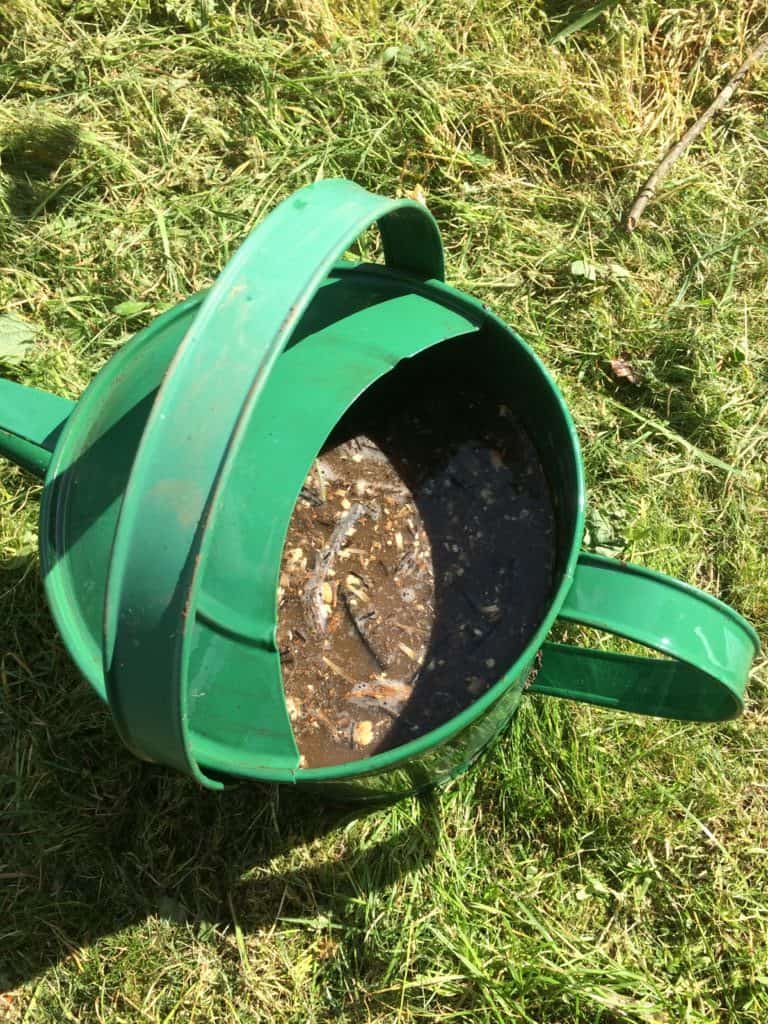
- Fill a bucket or watering can one-third full with the sifted compost.
- Add enough water to fill the container. Rainwater is ideal.
- Stir the mixture well.
- Let it steep for one to two weeks to infuse the water with nutrients.
- Strain the liquid through a cloth or strainer.
- Use the tea immediately or within a couple of days to preserve nutrients.
Using Compost Tea
Pour your compost tea around the base of plants just as you would with water. This general-purpose feed provides a balanced supply of major nutrients necessary for healthy growth. It’s best to apply it to more mature plants rather than very young seedlings to avoid potential nutrient overload.
Alternatively, you can use a plant sprayer or mister to apply the compost tea directly onto plant leaves as a foliar feed for a quick nutrient boost. Use it thoughtfully to ensure your plants thrive.
Conclusion
Brewing compost tea is an excellent way to harness the power of your compost for healthier, more vibrant plants. By mastering this simple process, you’re well on your way to sustaining a thriving organic garden. Enjoy the benefits of this liquid fertilizer and watch your plants flourish!