Trellis Your Squash for Maximum Yields in Minimal Space
“`html
Trellis Your Squash for Maximum Yields in Minimal Space
If you have a small garden but a big passion for squashes, don’t worry! With a sturdy trellis, you can train your squash plants to grow upwards, providing you with a bountiful harvest throughout the summer and fall.
Benefits of Growing Squash Vertically
Vertical gardening has numerous advantages, especially in limited spaces. Here’s why you should consider trellising your squash:
- Maximize space by growing more squash in less area.
- Keep fruit off the ground, allowing for better air flow and reducing the risk of disease such as mildew or blight.
- Minimize damage from small animals.
- Make the harvesting process easier.
- Yield cleaner fruit with fewer blemishes.
- Enhance your garden’s aesthetic appeal.
If you’ve previously trellised grapes, you’ll find growing squashes vertically just as rewarding. Even if this is your first attempt, squashes are simple to work with and you’ll enjoy watching their progress week by week!
Does Squash Need to Be Trellised?
While it’s fine to let squashes spread out if you have ample ground space, keep in mind that one plant can easily extend to 15 feet or more! Larger squashes like Hubbards, Calabazas, and pumpkins are best left on the ground due to their size and weight.
However, many smaller squashes are perfect candidates for trellising, providing a great option for those who want to optimize space while enjoying a steady supply of fresh produce.
Options for Growing Squash Vertically
Here are some options to consider when choosing how to support your vertically growing squash:
- Arbors: These can be either homemade or purchased, serving as a stunning entryway to your garden.
- Pergolas: A more significant investment, but worth it if you have ample space. Ensure to add extra supports for climbing squash.
- A-Frame Trellis: A cost-effective and mobile option, ideal for squashes.
- Fences or Trees: Utilize existing structures for your squash to climb.
Remember to select a sunny location for your vertically grown squashes to thrive!
How Do Squash Climb the Trellis?
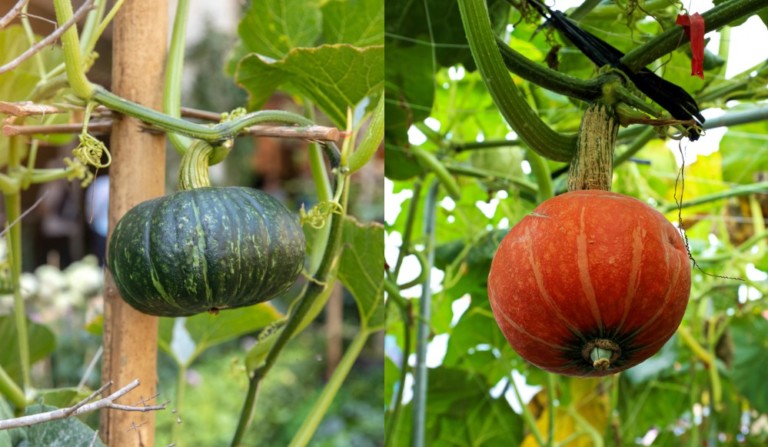
Squash plants climb using their tendrils, which are side shoots that wrap around their support structures. Initially, you may need to help the vines find their way by gently tucking them into the trellis.
Training Squash Vines
To encourage your squashes to grow upright:
- Loosely weave the vines through the trellis supports.
- Use jute twine to tie the vines to the frame, adjusting as the vine grows.
- Check on your plants regularly, especially during hot days, to ensure they’re thriving.
What Kinds of Squash Can I Plant Vertically?
Most vining squashes can be trellised, while bush varieties will not cooperate. Reading the back of the seed packet or maintaining a garden journal can help you track the best varieties for trellising.
Trellising Summer Squash
Summer squashes grow quickly and can be a delightful addition to any garden. Here are some options:
- Calabash Long Squash: Also known as opo squash, these long gourds are perfect for trellising.
- Little Gem Squash: Ideal for small servings and stuffing, these are excellent for trellising.
- Patty Pan Squash: A semi-bush variety that can complement a taller squash.
- Yellow Squash: Similar to zucchini, it offers a good yield and is easy to manage.
Trellising Winter Squash
Winter squashes typically take longer to mature. Here are some great varieties:
- Acorn Squash: A delicious choice that’s easy to bake.
- Butternut Squash: A classic fall squash, ideal for colder climates.
- Delicata Squash: Known for its sweet flavor, perfect for holiday dishes.
- Sugar Pie Pumpkin: A smaller alternative great for soups and pies.
Water Requirements for Trellised Squash
Due to their deep-rooted nature and heavy feeding habits, squashes need plenty of compost and a thick mulch layer to retain moisture. Be prepared to water more frequently as trellised plants may dry out faster.
Using Your Trellis for Other Plants
The trellis can also support other vining plants like cucumbers and luffa. Growing cucumbers vertically can help prevent diseases, while luffa offers the potential to replace plastic sponges.
Conclusion
Trellising squash can transform your small garden into a productive space filled with fresh produce. With a variety of squash options and simple techniques, you can enjoy a beautiful and fruitful vertical garden. What will you be planting this season?
“`