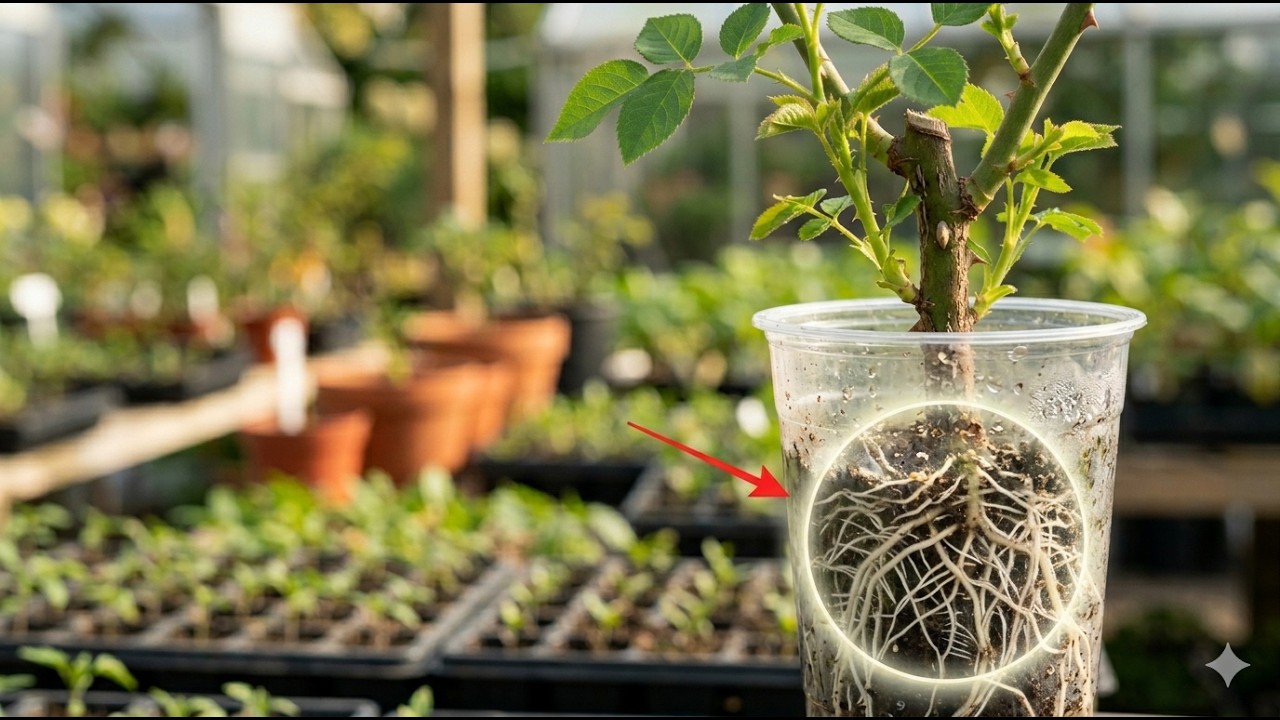
Unlock 5 Secrets to Speed Up Rose Root Growth Effortlessly! 🌹
5 Secrets to Speed Up Rose Root Growth for Thriving Plants
Understanding Rose Root Growth
As a rose enthusiast, you may notice that some of your plants take longer to establish than others. This can be frustrating when you’re eager to see blossoms in your garden. Several factors influence root growth, including soil quality, watering practices, and even the planting technique. Understanding these aspects can help you create an environment where your rose plants flourish. Continue reading to discover effective strategies to enhance root development.
Essential Tips for Accelerating Growth
When it comes to promoting faster root development in roses, a few tried-and-true techniques can make a remarkable difference. Here are some methods you can implement:
1. Start with Quality Soil
Using nutrient-rich and well-draining soil is essential for healthy root growth. Consider the following steps:
- Choose a garden soil that contains organic matter.
- Add compost or well-rotted manure to enhance nutrient content.
- Mix in perlite or sand to improve drainage.
A good soil mix provides essential nutrients and prevents root rot, giving your roses the best chance to thrive.
2. Water Wisely
Overwatering can lead to root disease, while underwatering may stifle growth. To strike the right balance:
- Water deeply but less frequently, allowing the soil to dry out slightly between sessions.
- Check the soil moisture level before watering to prevent oversaturation.
- Apply mulch around the base of the plant to retain moisture and suppress weeds.
By fostering a steady watering routine, you can ensure that your roses receive adequate hydration without the risk of root damage.
3. Encourage Fertilization
Nourishing your roses with the right fertilizers can lead to accelerated root growth. Follow these simple guidelines:
- Use a balanced rose fertilizer high in phosphorus for strong root development.
- Apply fertilizer in early spring and again mid-summer for optimal results.
- Avoid over-fertilizing, as it can harm the roots rather than help them.
The right fertilizer can significantly boost root growth by providing essential nutrients for your roses.
4. Maintain Ideal Temperature
Temperature plays a critical role in the development of rose roots. Here’s how you can maintain a suitable environment:
- Watch for extreme temperature changes that may stress the plants.
- Consider using row covers during cold snaps to protect young plants.
- Provide shade during particularly hot spells to prevent overheating.
By ensuring a stable temperature, you can help your roses establish their roots more effectively.
Common Mistakes to Avoid
While applying these tips, it’s also essential to be aware of common pitfalls that can hinder root growth:
- Ignoring soil drainage can lead to root rot.
- Failing to check moisture levels may result in fluctuating water supply.
- Over-fertilizing can create nutrient burn, damaging delicate roots.
- Rushing the planting process before the last frost can shock the roots.
- Neglecting to prune can lead to overcrowded roots, limiting growth space.
Avoiding these mistakes will aid in creating a conducive environment for your roses to grow robustly.
FAQ
What is the best time to plant roses? The best time to plant roses is in early spring or fall, as temperatures are more moderate and conducive to root establishment.
How often should I water newly planted roses? Water them deeply once a week, ensuring the soil is moist but not soggy, especially during dry spells.
Can I use regular garden soil for planting roses? While you can use garden soil, it’s beneficial to amend it with compost and perlite for better drainage and nutrients.
Conclusion
By focusing on quality soil, proper watering, strategic fertilization, and ideal temperatures, you can significantly speed up rose root growth. What methods have you found effective for growing your roses? Share your experiences in the comments below!