Discover 5 Unique Methods to Propagate Roses Effortlessly!
5 Unique Methods to Propagate Roses Effortlessly
- Introduction
- Method 1: Stem Cuttings
- Method 2: Layering
- Method 3: Leaf Bud Cuttings
- Method 4: Seed Propagation
- Common Mistakes to Avoid
- FAQ
- Conclusion
Introduction
Having a beautiful rose garden can bring joy to any home, but what if you could multiply that beauty without spending a fortune? You may find yourself admiring a particular variety of rose and wishing you could grow your own. Luckily, there are several simple yet effective methods to propagate roses that can help you achieve this. Read on to discover how you can easily expand your rose collection without needing to invest in new plants.
Method 1: Stem Cuttings
One of the most popular methods for propagating roses is through stem cuttings. This straightforward approach allows you to create new plants directly from existing ones.
1. Required Materials
- Healthy rose plant
- Sharp pruning shears
- Potting soil
- Small pots
- Plastic bag or plastic wrap
2. Steps to Follow
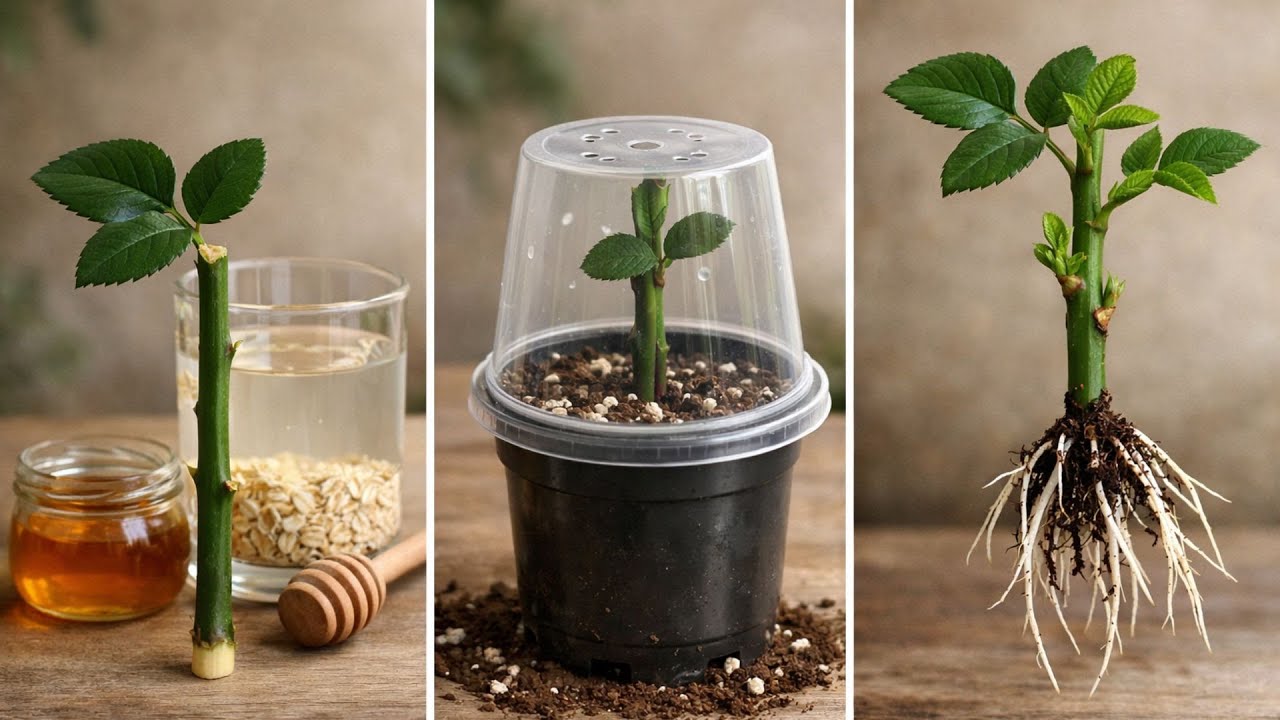
- Choose a healthy stem from your rose plant that is about 6 to 8 inches long.
- Cut the stem just below a leaf node, making sure your shears are clean.
- Remove the lower leaves and keep only a couple of leaves at the top.
- Plant the cutting in a pot filled with moist potting soil.
- Cover the pot with a plastic bag to create a greenhouse effect.
3. Care and Maintenance
Place the pot in a bright location but avoid direct sunlight. Keep the soil moist, and after a few weeks, you should see new growth indicating successful propagation.
Method 2: Layering
Layering is another effective technique for propagating roses, particularly for low-growing varieties.
1. Variations of Layering
- Simple layering: Bending a stem to the ground.
- Tip layering: Only the tip of the stem is buried.
2. Steps to Follow
- Select a healthy long branch.
- Wound the stem by making a small cut or scrape.
- Cover the wounded area with soil while keeping the tip exposed.
- Water gently and ensure the soil remains moist.
3. Benefits of Layering
This method allows the plant to develop roots while still attached to the parent plant, ensuring it has access to nutrients as it grows.
Method 3: Leaf Bud Cuttings
For those adventurous in their propagation methods, leaf bud cuttings can yield delightful roses.
1. Required Materials
- Healthy rose leaves with bud
- Small pots
- Potting mix
2. Steps to Follow
- Cut leaves with a dormant bud attached.
- Plant the leaf, ensuring the bud is positioned above the soil.
- Water gently and cover with a plastic bag.
3. Tips for Success
Check regularly for moisture and provide indirect light. The buds should start developing as roots within a few weeks.
Method 4: Seed Propagation
While more time-consuming, seed propagation is a rewarding experience for rose enthusiasts.
1. Selecting Seeds
Choose seeds from open-pollinated roses for better results. Collect seeds from petals for a unique variety.
2. Steps to Follow
- Prepare the seeds by soaking them in water for a day.
- Plant the seeds in seed trays filled with potting mix.
- Keep the trays in a warm, well-lit area and maintain moisture.
3. Patience is Key
Be prepared to wait; germination can take several weeks. Once the seedlings are strong enough, transfer them to individual pots.
Common Mistakes to Avoid
While propagating roses seems simple, there are pitfalls to watch out for to ensure success.
- Ignoring cleanliness: Always use clean tools to prevent disease.
- Overwatering: Too much water can lead to rot; keep the soil moist but not soggy.
- Sun exposure: Avoid direct sunlight until cuttings establish roots to prevent stress.
FAQ
What is the best time to propagate roses? Early spring or fall is ideal, as the temperature and humidity levels are more favorable for success.
How long does it take for rose cuttings to root? Typically, it takes about 3 to 6 weeks for cuttings to develop roots, but care and conditions can affect this timeline.
Can all types of roses be propagated? Most roses can be propagated using these methods, but some may be more difficult than others, particularly hybrid varieties.
Conclusion
With these five unique methods, you can easily propagate roses and enjoy more blooms in your garden. Which method are you excited to try first? Share your thoughts in the comments below!