10 DIY Portulaca Garden Ideas Using Plastic Bottles You’ll Love!
10 DIY Portulaca Garden Ideas Using Plastic Bottles You’ll Love
- Introduction
- Creative Uses for Portulaca in Your Garden
- Step-by-Step Projects for Portulaca
- Common Mistakes to Avoid
- FAQ
- Conclusion
Introduction
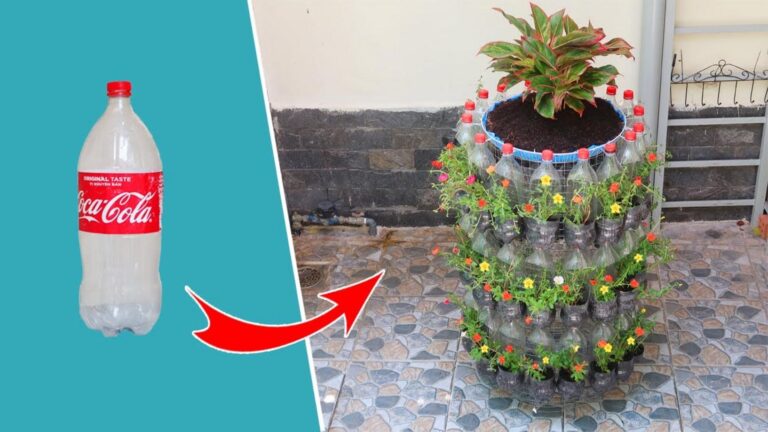
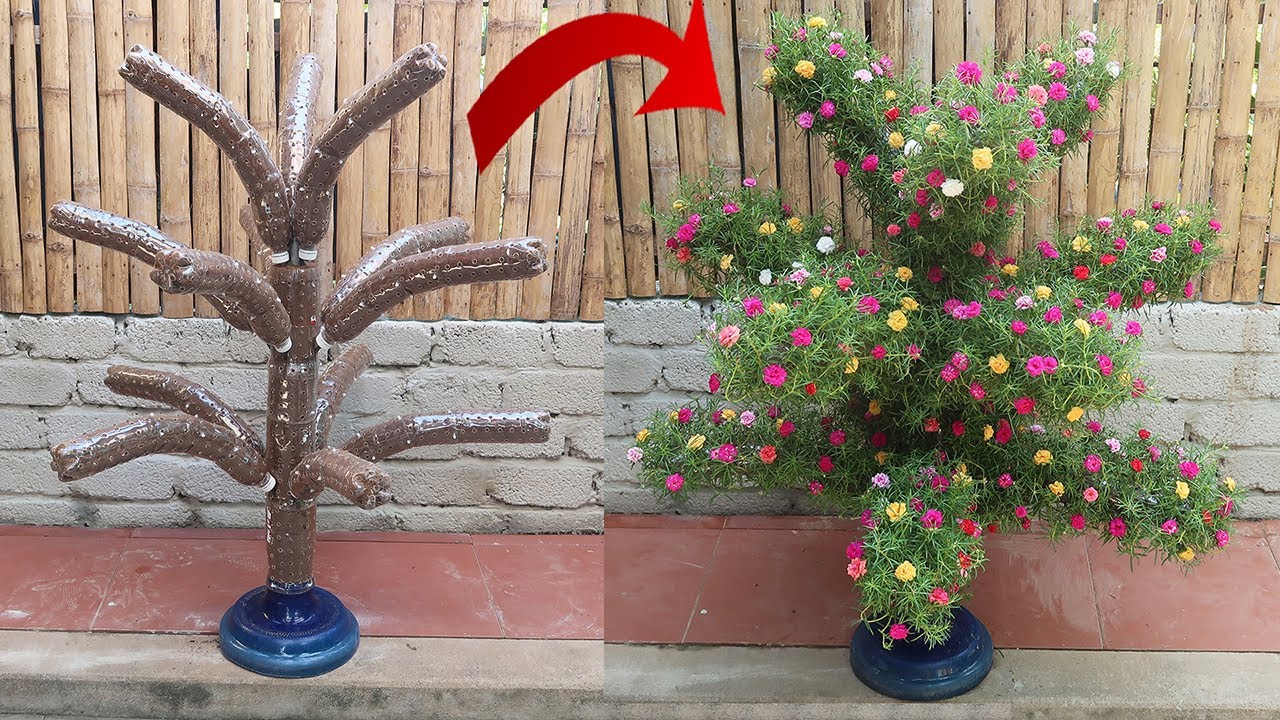
Are you looking for an exciting way to enhance your garden while making use of old plastic bottles? With vibrant portulaca plants blooming in various colors, you can turn these discarded bottles into functional and beautiful garden accents. Imagine having a lively space filled with the cheerful hues of portulaca, all sourced from what would otherwise be waste. This article shares practical ideas for creating stunning garden visuals using plastic bottles and portulaca. Keep reading to uncover unique projects that will add charm to your outdoor space.
Creative Uses for Portulaca in Your Garden
Portulaca, known for its hardy nature and vibrant flowers, can thrive in various creative setups. Here are some innovative ways you can incorporate it into your garden.
1. Vertical Wall Planters
Transform the façade of your home with vertical wall planters made from plastic bottles. This project not only saves space but also adds a stunning visual dimension.
- Cut the bottles in half, leaving the bottom intact.
- Attach them to a wooden board or directly to a wall using strong glue or screws.
- Fill with potting soil and insert your portulaca plants.
2. Hanging Garden
Creating a hanging garden can add a lush effect to any outdoor space.
- Cut holes near the top of the bottles for hanging.
- Fill them with soil and plant portulaca.
- Hang them using sturdy ropes or chains wherever desired.
Step-by-Step Projects for Portulaca
Once you’ve decided how to use your plastic bottles, here are some detailed projects to guide you in the creation of your portulaca garden.
3. Bottle Garden Bed
Create a mini garden bed with the bottles standing upright.
- Gather several bottles and cut off their bottoms.
- Arrange the bottles in a grid formation, securing them with stakes if needed.
- Fill each bottle with soil and add your portulaca plants.
4. Planter Box
Construct a planter box using bottles for a larger space to host multiple portulaca blooms.
- Cut the bottles and tape or glue them together to form a box shape.
- Fill with soil, ensuring it drains well.
- Plant your portulaca evenly throughout.
5. Watering Globes
Use your plastic bottles to create automated watering systems for your portulaca plants.
- Pierce small holes into the bottle caps.
- Fill the bottles with water and invert them in the soil, so they release moisture gradually.
Common Mistakes to Avoid
As you embark on your portulaca garden project, be mindful of these common pitfalls.
1. Overwatering
Portulaca thrives in dry conditions, so ensure you let the soil dry out between watering sessions.
2. Lack of Drainage
Plastic bottles can retain too much moisture if not properly drained. Always ensure your containers have holes at the bottom.
3. Poor Sunlight
Portulaca requires direct sunlight for optimal growth; choose a location that receives plenty of sun.
4. Ignoring Plant Spacing
Planting too closely can hinder their growth. Maintain adequate space between each portulaca plant.
FAQ
What kind of soil is best for portulaca?
A well-draining potting mix is ideal for portulaca. You can also mix in sand or gravel to improve drainage.
How often should I water portulaca?
Water portulaca once the soil has dried out completely, typically every couple of days in warm weather.
Can I grow portulaca indoors?
While portulaca thrives outdoors, you can grow it indoors with enough sunlight. Ensure it gets at least six hours of direct light each day.
Conclusion
Upcycling plastic bottles into unique portulaca gardens can enhance the beauty of your outdoor space while promoting sustainability. By avoiding common mistakes and utilizing creative ideas, your garden will flourish with vibrant blooms. What creative upcycling ideas have you tried or plan to try in your garden? Share your thoughts in the comments!