21 Tips to Boost Your Vegetable and Fruit Garden Yield
21 Tips to Boost Your Vegetable and Fruit Garden Yield
Maximizing the yield from your edible garden doesn’t have to be complicated or expensive. With some simple adjustments and mindful practices, you can significantly improve both the quantity and quality of your harvest. Below are 21 actionable tips to enhance your growing systems and increase your garden’s productivity.
1. Choose the Right Growing Methods
Understanding your needs and location is essential when selecting the best growing methods for your garden.
- Your Needs: Assess how much time you can dedicate. Options like low-maintenance forest gardens are ideal for busy gardeners, while intensive annual vegetable gardens may suit those with more time.
- Your Location: Climate and environmental factors vary. In cooler climates, consider under-cover gardening, while warmer areas need shade and moisture management.
2. Select the Right Spot for Your Garden
Location is crucial. Consider factors such as:
- Sunlight and shade levels
- Exposure to wind
- Soil type
- Accessibility from your home
Designing your garden with these elements in mind can lead to better yields.
3. Protect Against Weather Extremes
Design your garden to withstand climate change and extreme weather. Key strategies include:
- Effective water management, such as rain gardens
- Landscaping techniques like terracing
- Planting trees for windbreaks and water management
4. Use Space-Saving Techniques
Maximize your garden space with innovative methods:
- Layered Planting: Grow shorter plants under taller ones in forest gardens.
- Vertical Gardening: Utilize trellises for climbing plants.
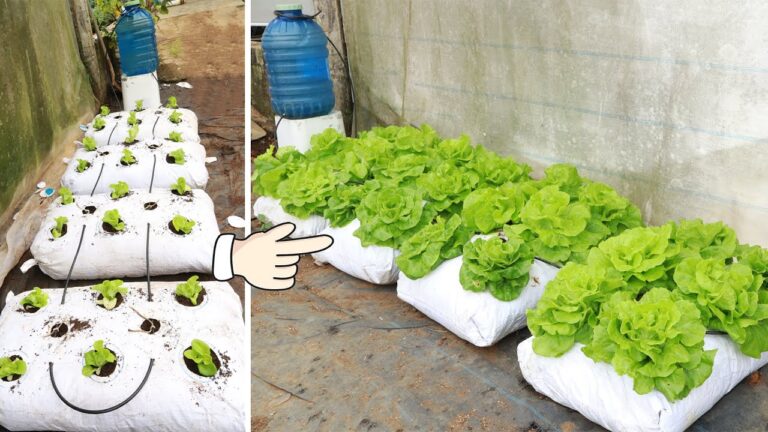
- Container Gardening: Use pots to optimize available space.
- Hydroponics/Aquaponics: Ideal for limited land space.
5. Choose the Right Plants
Opt for plants that thrive in your specific conditions. Consider local suppliers and gradually cultivate a garden suited to your area.
6. Create Polycultures or Guilds
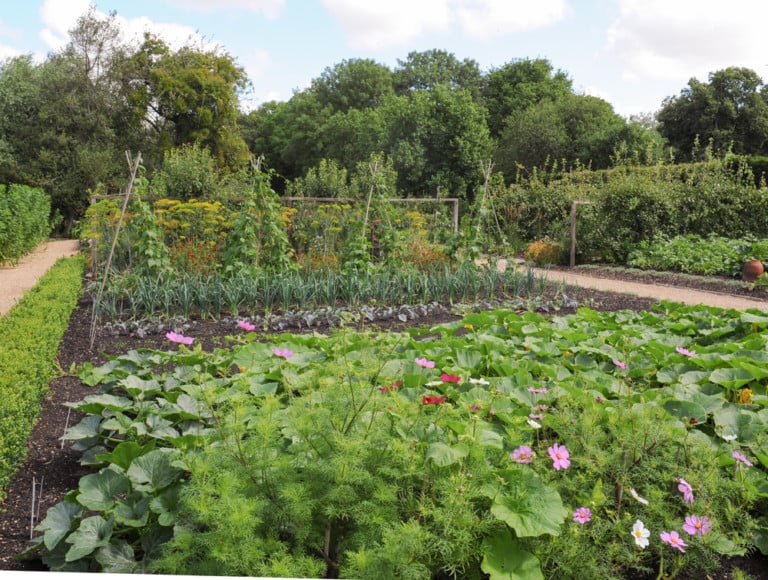
Companion planting can boost yields. By grouping compatible plants, you can enhance the growth and resilience of key crops.
7. Get Plant Spacing Right
Proper spacing prevents competition for resources and encourages air circulation, helping to reduce pests and diseases.
8. Improve Soil Fertility
The health of your soil is fundamental. Implement organic practices like:
- No-dig gardening
- Adding organic material like wood chips
- Minimizing bare soil
9. Boost Biodiversity
A diverse garden enhances resilience. It attracts pollinators and maintains balance in your ecosystem, leading to higher yields.
10. Optimize Water Needs
Understand the watering requirements of your plants and adjust your irrigation techniques to promote healthy growth.
11. Use the Right Mulches
Select mulches that provide the necessary nutrients for your plants. Be cautious not to use high-nitrogen mulches for flowering plants.
12. Use Organic Liquid Fertilizers
Create your own fertilizers from garden waste. Adjust the timing and type of application based on your plants’ growth stages.
13. Prune Correctly
Appropriate pruning methods for fruit trees, bushes, and herbs can enhance yield. For instance, regular trimming can encourage new growth.
14. Assist with Pollination
Attract natural pollinators to your garden, or consider hand-pollination to boost fruit set where needed.
15. Monitor for Pests and Diseases
Regular inspections can help catch issues early. Remove pests manually and dispose of diseased plants promptly to prevent spread.
16. Extend the Growing Season
To enhance yields, consider methods such as:
- Starting seeds indoors
- Utilizing greenhouses or protective coverings
17. Plan for Year-Round Growth
Develop a year-round planting strategy to maximize production. Implement crop rotation for soil health and pest management.
18. Companion Planting
Intercrop slower-growing plants with faster-growing ones to optimize space and lengthen harvest periods.
19. Plant Successionally
Introduce variety by planting different species that ripen at various times. This approach ensures a steady supply throughout the growing season.
20. Maximize Secondary Harvests
Utilize your garden for multiple yields. Don’t neglect edible greens and consider herbs and other materials that can contribute to your kitchen and projects.
21. Collect Seeds for Future Growth
Let certain plants go to seed and save them for next year. This practice creates plants better suited to your garden conditions and enhances future yields.
Conclusion
Implementing these strategies can significantly boost your edible garden’s yield. Remember to stay optimistic and engaged throughout your gardening journey, as the rewards of homegrown produce can be incredibly fulfilling.