21 Proven Tips to Maximize Your Garden’s Fruit and Veg Yield
21 Proven Tips to Maximize Your Garden’s Fruit and Veg Yield
Maximizing the yield of your edible garden can be an exciting journey filled with potential. Fortunately, many strategies are straightforward and budget-friendly. This guide will provide you with proven tips to grow more fruits and vegetables in your garden, enhancing both quantity and quality.
1. Choose the Right Growing Methods for Your Needs and Location
Identifying the right growing methods depends heavily on your personal needs and the climate of your location.
Your Needs
- Assess the time you can dedicate to gardening; low-maintenance gardens may suit those with limited time, while intensive vegetable gardens require more commitment.
- Consider starting small and expanding your garden gradually to maintain quality and yield.
Your Location
- Understand the climate and soil characteristics; techniques suitable for one region may underperform in another.
- Consider methods like under-cover gardening in cooler areas or shade provision in hotter climates.
2. Select the Right Spot for Your New Edible Garden
Choosing the optimal location for your garden involves evaluating several factors:
- Sunlight exposure and shade levels
- Shelter from winds
- Soil type and accessibility from your home
- Proximity to water sources and composting systems
3. Protect Your Garden from Wind and Water
To future-proof your garden, consider strategies that protect against extreme weather:
- Implement rain gardens or swales to manage stormwater and prevent flooding.
- Plant trees for windbreaks, creating resilient shelter for your plants.
4. Use Space-Saving Techniques
Maximize your garden’s yield through clever use of space:
- Utilize layered planting in forest gardens or polycultures.
- Incorporate vertical gardening techniques to utilize upwards space.
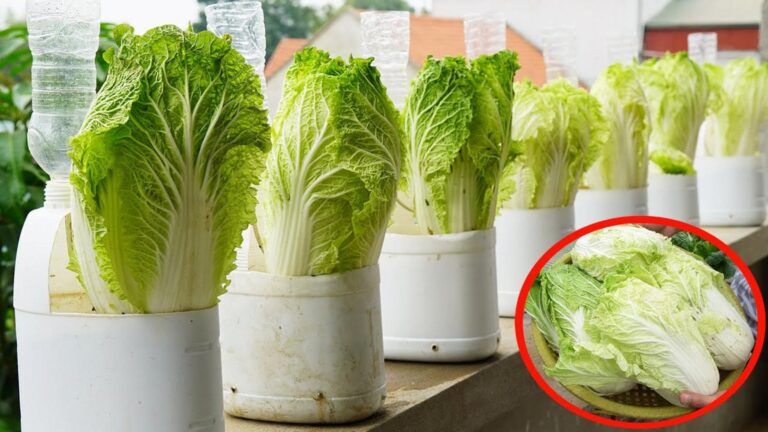
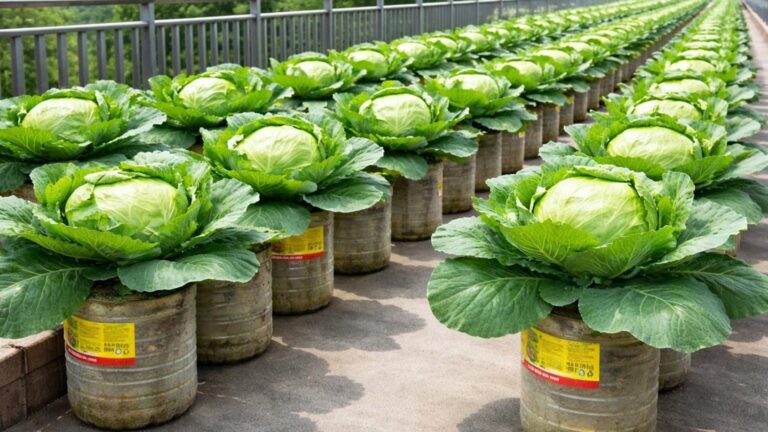
- Consider container gardening to enhance food production in limited areas.
- Explore hydroponics or aquaponics for maximum yield in minimal space.
5. Choose the Right Plants for the Right Places
Select plants based on compatibility with local conditions rather than personal preference. Local suppliers often offer varieties well-suited to your area.
6. Create Polycultures or Plant Guilds
Utilize companion planting to formulate beneficial plant groupings that enhance growth and yield.
7. Get Plant Spacing Right
Ensure proper spacing between plants to prevent competition for resources and maintain good airflow.
8. Improve Soil Fertility
Caring for your soil is paramount. Adopt a no-dig approach, enhance soil with organic matter, and retain cover to prevent erosion.
9. Boost Biodiversity
Diverse ecosystems yield better results. Introduce variety in plant species and encourage wildlife to establish a balanced garden ecosystem.
10. Optimize Water Needs
Proper watering is critical. Pay attention to the specific needs of your plants to ensure healthy growth.
11. Use the Right Mulches
Match mulches to the requirements of your plants for optimal growth, avoiding high-nitrogen materials around blooming plants.
12. Utilize Organic Liquid Plant Feeds
Consider homemade liquid fertilizers, taking care not to over-fertilize at critical growth stages.
13. Prune Perennial Plants Correctly
Timely pruning enhances production; each type of plant has specific needs for optimal yield.
14. Assist with Pollination
Attract natural pollinators and consider hand-pollinating crops when necessary to improve fruit set.
15. Stay Vigilant for Pests and Diseases
Regular checks are essential to catch early signs of trouble, helping you manage pests and diseases effectively.
16. Extend Your Growing Season
Consider methods like indoor seed starting and greenhouse use to prolong your growing period.
17. Plan for Year-Round Growth
Strategize crop rotation and planting schedules to maintain a continuous harvest throughout the year.
18. Companion Plant for Efficiency
Intercrop slower-growing plants with fast-growing varieties to make the most of your garden space.
19. Plant Successively
Succession planting different species can lead to staggered harvests and overall increased yield.
20. Maximize Secondary Harvests
Don’t overlook secondary yields, such as greens from root crops and crop residues for composting.
21. Collect Your Own Seeds
Saving seeds allows for thriving plants that are more attuned to your specific environment over time.
Conclusion
By implementing these strategies, you can significantly improve the yield from your edible garden. Remember to approach gardening holistically and remain adaptable. While challenges may arise, the satisfaction of harvesting your produce makes the effort worthwhile.